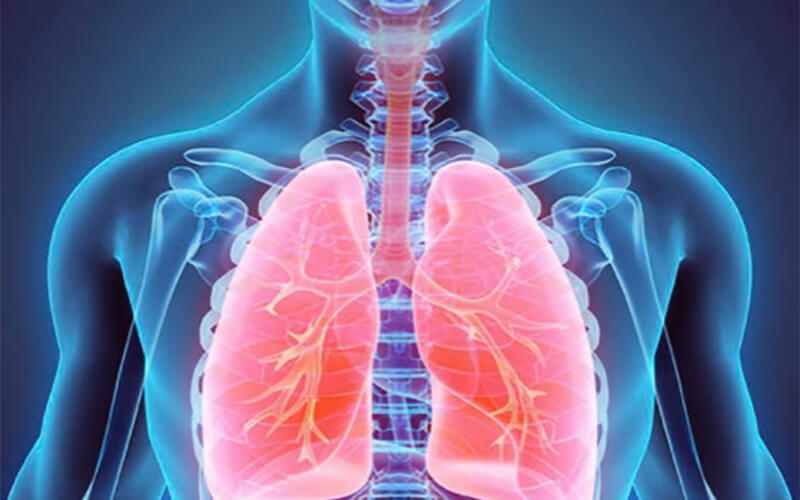
ARDS (Acute Respiratory Distress Syndrome): a clinical condition characterized by pulmonary inflammation that compromises the functionality of the alveoli and their ability to assimilate oxygen from inspired air;
ARF (Acute Respiratory Failure): a clinical condition characterized by the inability of the pulmonary system to properly exchange gases;
VILI (Ventilator Induced Lung Injury): lung damage induced by invasive ventilation conducted at positive pressure and high gas exchange volumes;
ALI (Acute Lung Injury): acute lung damage characterized by compromise of the alveolar capillaries leading to severe respiratory failure with refractory arterial hypoxemia despite oxygen administration;
Pneumonia: a lung pathology characterized by inflammation of the alveoli, which fill with fluid that obstructs respiratory function;
Trauma or Polytrauma: one or more traumatic injuries to different organs or systems with current or potential compromise of vital functions;
MODS (Multiple Organ Dysfunction Syndrome): a systemic syndrome generally associated with shock, sepsis, or systemic inflammatory response syndrome (SIRS), characterized by acute onset of organ function alteration;
COPD (Chronic Obstructive Pulmonary Disease) and exacerbations: a chronic lung disease characterized by bronchial obstruction, with partially or irreversibly limited airflow, slowly progressive, caused by chronic inflammation of the airways and lung parenchyma.
Molecules to remove: CO2
Recommended Therapies: ECCO2R