
Cardiac surgery
“Complexity, invasiveness, and duration of cardiac surgical procedures lead to activation of the inflammatory response and development of post-operative SIRS”.
Each year, approximately 1.5 million open-heart surgeries are performed worldwide, with 500,000 procedures in Europe and an equal number in the United States. In Italy, around 60,000 cardiopulmonary bypass (CPB) surgeries are conducted annually.
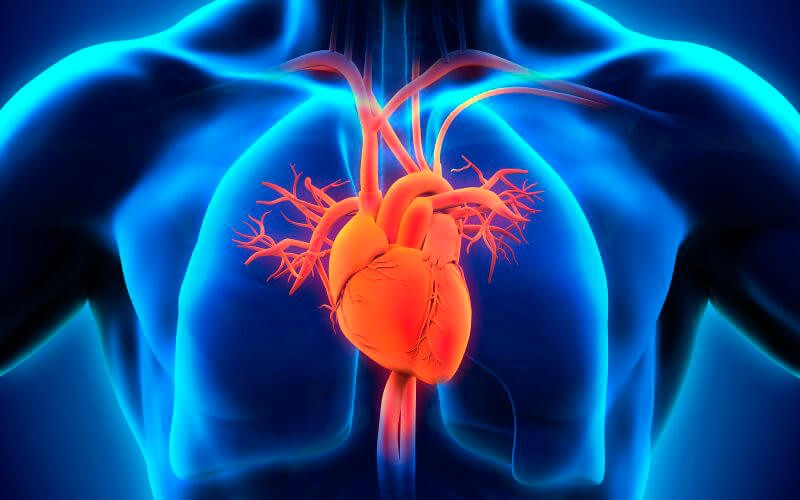
Despite advancements in perfusion technologies and biocompatibility of materials, patients undergoing cardiac surgeries (including re-operations, aortic arch surgeries, corrective surgeries for infective endocarditis, and hypothermic circulatory arrest for aortic dissections) remain at high risk for complications, multi-organ dysfunction, and death.
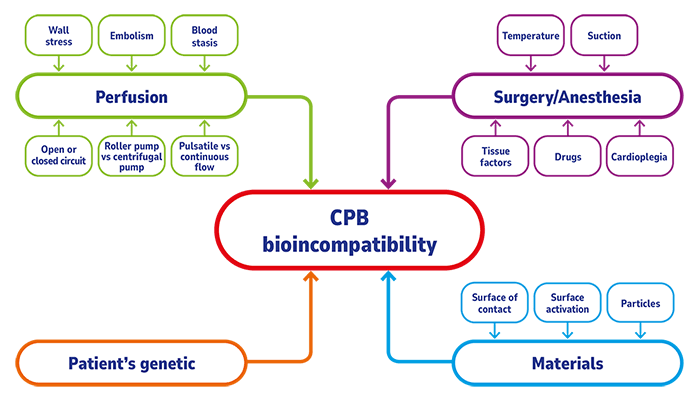
Surgical trauma, non-physiological blood flow, and blood contact with external elements contribute to complement cascade activation and stimulate the production of inflammatory cytokines, leading to the development of postoperative systemic inflammatory response syndrome (SIRS).
In addition, the surgical procedure and perfusion systems can cause hemolysis, releasing free hemoglobin into circulation and leading to the development of postoperative renal failure. The incidence of renal failure in cardiac surgery patients is around 30% and is associated with increased mortality (from 7% to 38%). 5% of these patients require hemodialysis, which is associated with a substantial increase in mortality (from 50% to 90%).
Potential complications – during surgery and related to the use of ECMO – can lead to muscle breakdown with release of myoglobin into circulation. Myoglobin, accumulating at the renal tubular level, can impair kidney function and lead to irreversible renal failure.
Currently, there are extracorporeal treatments available for the adsorption of molecules potentially harmful to the body in cases of pathological accumulation, including pro-inflammatory and anti-inflammatory cytokines, bilirubin, and myoglobin.
The use of these devices can be developed in three approaches:
- Preoperative preventive
- Intraoperative preventive
- Postoperative therapeutic
The integration of these approaches across all extracorporeal circuits (CPB, ECMO, CRRT) makes it possible to apply the techniques in various settings, including:
- Complex surgeries with anticipated prolonged CPB times
- Combined procedures
- Re-interventions
- Valve replacements in patients with acute infective endocarditis
- Heart transplantation
- Aortic surgery with prolonged circulatory arrest (>120 minutes)
- Patients with multiple comorbidities and/or pre-existing liver and/or renal dysfunction
- High risk of developing intra- and post-operative complications related to hyper-inflammation
- Conditions of hyperbilirubinemia/rhabdomyolysis
- Emergency/urgent interventions at high risk of bleeding induced by anticoagulant and antiplatelet drugs
Molecules to remove: Cytokines, Bilirubin, Myoglobin, Ticagrelor, and Rivaroxaban
Recommended Therapy: CytoSorb®